A few months after my father was killed, my mother purged a ton of his books, so when I was at her house searching for something to read, it shouldn’t have been a surprise that the bookshelves were as bare as a Venezuelan supermarket. All I found were a few  religious books, some non-fiction war books and…All Quiet on the Western Front.
I probably grimaced when I pulled it off the shelf. Not only because it was a boring war novel that you’re assigned in high school, but also because on the cover was John Boy from The Waltons TV show. That show bored me to death, as did the character, so I can’t dissociate the actor from the character, or the show.
Nevertheless, I took it with me. It was short enough to meet my classic challenge standard, and I love the history of Germany during the pre-WWII era. So I figured I’d just try to not look too long at John Boy on the cover and give it a try.
I was expecting Erich Maria Remarque’s classic to be boring. It wasn’t. I was also expecting it to be staid and mannered. I was wrong again. All Quiet on the Western Front is the story of Paul, a battle-hardened German soldier fighting along the western front in France during World War One. In his preface, Remarque clearly states that the book is not meant to be anti war. While it could easily be mistaken for a pacifist plea, it’s not. It’s just a detailed account of life as a soldier.
At times the writing is bawdy. He’s not adverse to throwing in a few fart jokes, of all things. In other episodes, Remarque, through the narrator, clearly relays the intense camaraderie that develops among soldiers. This falls just short of romanticization, which makes it even more effective.
One thing that kept coming back to me (which was in contrast to the thirtysomething actor on the book’s cover) was Paul’s age. He and his friends enlist just after high school. He’s 19 during the course of the book. More than once he comments on how disillusioned he and his entire generation have become because of the war, how lost they are, how much they’ve aged. This was one of the most powerful themes for me.
All Quiet on the Western Front is bursting with rich description. Unlike most modern novels, it’s not told in a traditional three-act structure. That’s because it was serialized during the 1920s. I found the episodic nature of the chapters compelling.
All Quiet on the Western Front didn’t go over too well once the Nazis came into power. It was a target of book burnings, and Remarque fled the country. The Nazis are long gone, but his book still persists.
Next up, my first failure.
 f Darkness, still haunted by that resonating line of hers: Why can I never set my heart on a possible thing? I was desperate for another book, one that had some words and meaning that would give me something (what “thing” I couldn’t say). On a shelf full of plays I found a few dozen classics. I sifted through them, and I chose Edith Wharton’s book for only one reason. It was short. Right now I can’t sit through anything longer than 300 pages, and this paperback version was about 100.
 It’s been a rough couple of months in my world. To deal with the turbulence I’ve turned inside myself. I pulled back from the real world, mainly because I can’t take the triviality, the overload. That might not make sense, but there’s not much else to explain.
 You think every zombie story has been told?
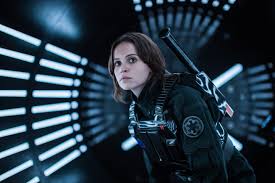 one managed to capture the slightly dated atmosphere of the originals while keeping a modern tone. The action was very well paced, and the special effects took a backseat to storytelling.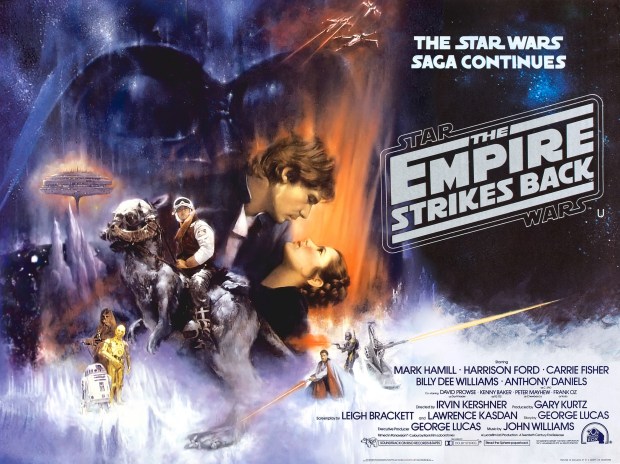

 I read Emily Bronte’s one and only novel Wuthering Heights back in high school, and it’s a book that stuck with me all these years.

 In these intervening years she’s had some not-so-secret difficulties, as we all have. And when I look at pictures of her now — she’s hot. She’s a woman now, a fully formed adult with all the complications that brings.

 Read by Kevin