The challenge: write a short story in 20 minutes using the following:
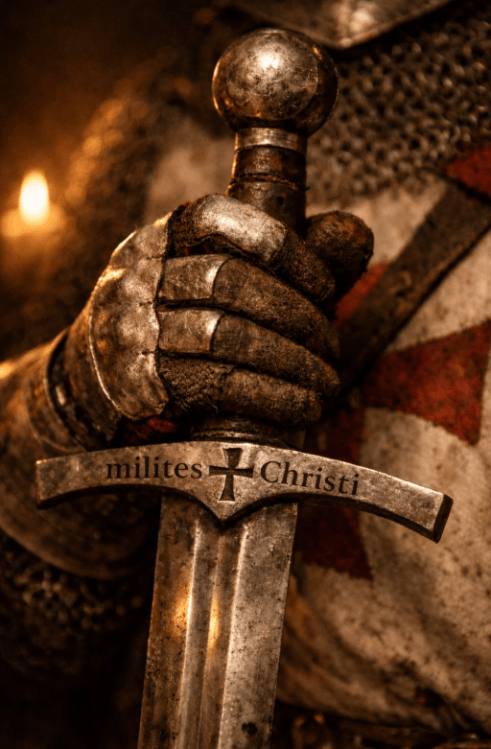
Characters: Matriarch/12th-century knight
Genre: Southern gothic
Setting: Washington Monument
Trope: Gypsy curse
POV/tense: 3rd/present
The result:
Millicent looks out over the clear water of the reflecting pool. The sun hurts her eyes. The heat beats upon her face and sends trickles of sweat down the back of her white lace dress, the one that Mrs. Holloway insists she wear day in, day out, even though she wants to wear a halter top and cutoffs. Never, Mrs Holloway always insists. She can’t say no, not with the debt that hangs over her head.
Mrs. Holloway pulls at her cuffs. She takes a Kleenex from her left one and tamps her forehead. “Don’t you be dilly dallying, Millicent, dear.”
The way she says dear, like a slur, rankles Millicent. “I know, we’ve got work to do.”
Mrs. Holloway hoists her parasol, lifts the hem of her dress, and walks along the side of the reflecting pool, oblivious to the throngs of tourists and their camera phones, phones that Millicent covets. But, again, it wouldn’t do any good. Not with the binding that Mrs. Holloway has inflicted. Even the thought of running away gives Millicent a mild migraine, another facet of the curse, no doubt.
They tramp over the concrete and across the green grass to the base of the Washington Monument, the spire a white stab against the blue sky. Millicent peers up the massive shaft and gets a shudder of vertigo. “To the top, right?”
“Yes, the very top.”
Millicent shudders again, then she reminds herself she’s not sequestered in that crumbling mansion with its rotting eaves and musty cushions and mice-filled walls. They approach the entrance and see a man sitting on the side. He looks neither young nor old. Millicent guesses 25 or so. His pants are filthy and his hair’s matted and he leers with his clear blue eyes not at Millicent as she would’ve expected but at Mrs. Holloway.
“Spare a few dollars,” he asks her.
Mrs. Holloway scoffs. “Look, Millicent, another filthy vagabond.”
“But can’t we just give–”
Mrs. Holloway cuts her off with a titter. She pulls out a pocket watch. “It’s almost noon on the seventh day of the seventh month. We’ll only have ten minutes for this to work.”
Millicent sighs. The plan’s been in the works for decades. An old gypsy curse passed down through the Holloway clan. Up there, at the top of the monument, knight fresh off the crusades, one of the bravest who ever lived, has been kept in suspended animation. They will revive him, and he will serve Mrs. Holloway.
The old woman whispers an incantation to the entry guard, who yawns and wanders off. Together the two women trudge up the stairs, fast, then slow, step after step until Millicent is sure her legs will give way. Then they reach the top. As they rehearsed, Millicent sweeps the floor. Then she paints a red pentagram on the floor. Finally she arranges candles along the ring and in the center lays an antique Templar sword.
Mrs. Holloway stands over the sword. She chants Latin. Millicent mimes the words. Her heart swells at the thought of him. Surely he’ll be strong and valiant, like in the stories. Surely he wont be the mindless monster Mrs. Holloway assumes. As the chant reaches its climax Millicent stares at the floor. Legend has it the stones will crumb4le and the knight will arise. Once the last word slips from Mrs. Holloway’s mouth the old woman closes her eyes. Her breath turns shallow as if in ecstasy. She opens her eyes and steps out of the circle.
They wait. Nothing happens. After a few more minutes Millicent sighs. Mrs. Holloway sputters a stream of unladylike curses. “I was sure it would work. Sure of it.”
Just then they hear the thunder of footsteps coming up the stairs. A man bolts into the room. It’s a man in knights clothes. He races into the circle and claims the Templar sword. As he holds it aloft he looks from Millicent to Mrs. Holloway.
“Which one of you cursed me to this infernal limbo.”
Mrs. Holloway gasps. “You are now bound to me.”
“I am bound to no one but the Lord.” With that he severs Mrs. Holloway’s head. Then he fixes his gaze on Millicent. His eyes, those clear blue eyes. That homeless man from downstairs. His sword wavers. “Not you, my dear. You are a kind soul. You shall live.”
 consciousness?
 as I write this).

