Want to buy the world’s most haunted island?

Off the coast of Venice lies the small island of Poveglia. If you have several million lying around, it can be yours.

Poveglia_2883002b

But there’s a catch. It comes occupied. With ghosts.

Danse_macabre_by_Michael_Wolgemut  The history of this island is fascinating. The Venetians and Genoese fought over this island in the middle ages, but the real trouble started with the arrival of the Bubonic Plague in the 14th century. Plague victims were shunted to the island and sealed off. The dead were burned on funeral pyres in the center of the island. This history was repeated when the Black Death returned in the 1600s. Thus came the legends of ghosts. (The plague peroids of European history have always fascinated me. Maybe that’s why I like zombie stories so much.)

In the late 1800s the island was home to a mental asylum (always prime breeding ground for ghosts). There were rumors of torturous dsc_0215experiments on the mentally ill performed by a doctor driven mad by ghosts. The doctor committed suicide by jumping from the hospital tower.

More recently, an American ghost hunter/tv show host claims to have been possessed by a ghost while visiting the island, and the reconstruction of the hospital stopped abruptly and the project was abandoned, with no reason given.

Now the Italian government is hoping a developer will swoop in and turn the island into a high-end resort. I can’t wait for the stories that will follow that one.

(Hospital image courtesy of muchmoremuchier.com)

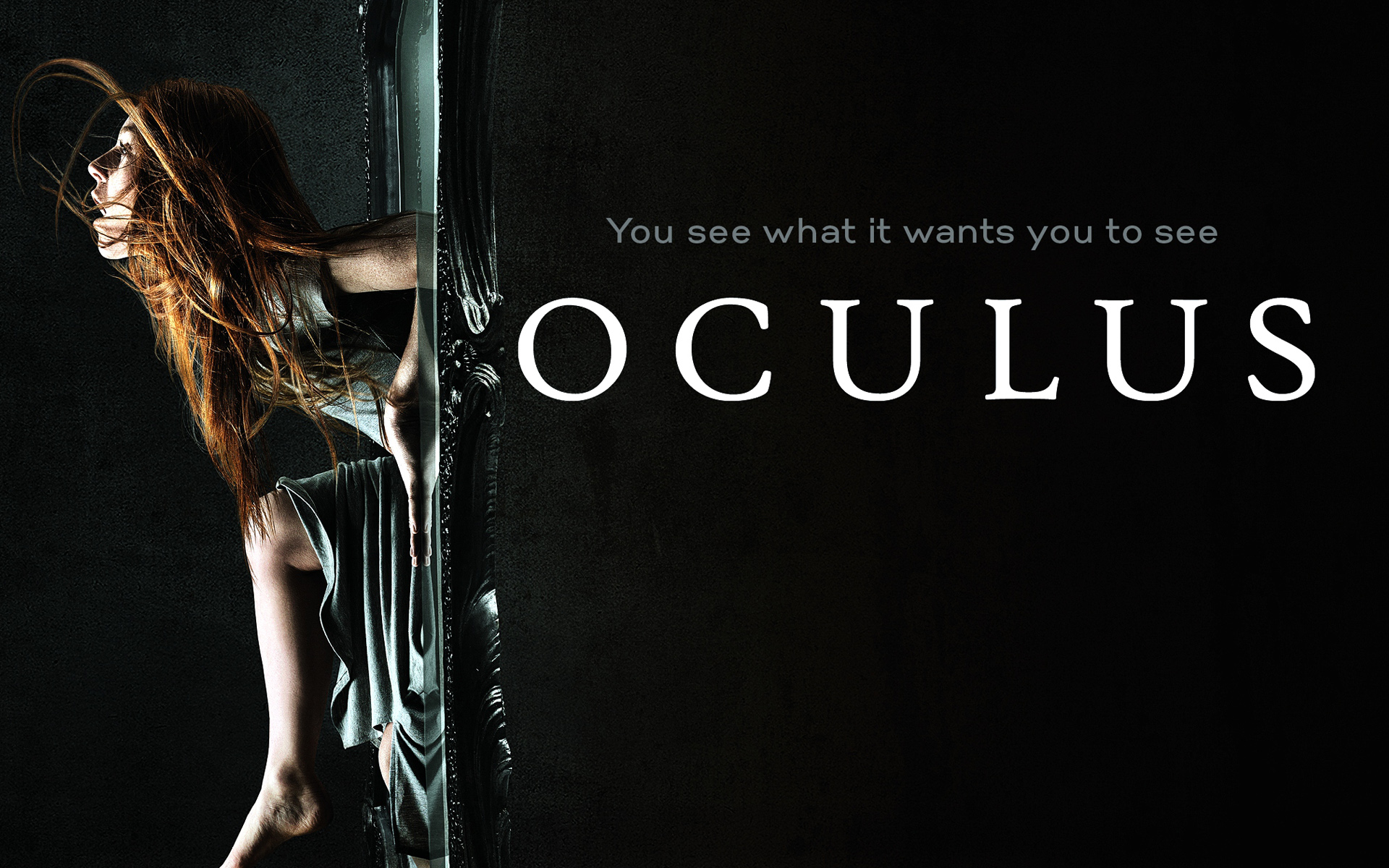
See this movie: Oculus

Oculus is a cunning, tough horror movie that will leave you unsettled.

oculus_2014_horror_movie-wide

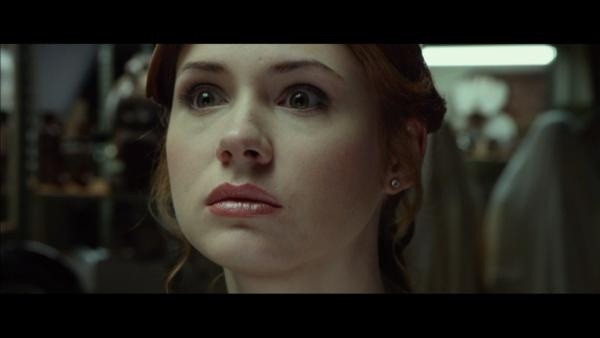
When we last left Karen Gillan, the Scottish woman with the big eyes who played Amy Pond in Doctor Who, she was staring at the weeping angels to avoid being sucked back in time (spoiler: she wasn’t successful).

Oculus Gillan

Now, in Oculus, the actress is donning an American accent (competently) as she stares into a haunted British mirror to fight an evil force.

Oculus is the latest horror offering from the forces behind the Saw series (too gory for me) and the Insidious flicks (good, fun horror). I was expecting something along the lines of Insidious. I was not prepared for a dark and harrowing tale of family madness, PTSD and psychological horror.

The setup: Tim is released from a mental hospital. Ten years earlier, he, along with his sister Kaylie (Karen Gillan), witnessed a horrific crime when their mother turned psychotic and was shot by their father. They only survived because Tim killed their father. Tim has been thoroughly rehabilitated. Kaylie, on the other hand, has gotten hold of the evil mirror which may have driven their parents (their mother is played effectively by Battlestar Galactica‘s Katee Sackhoff, aka Starbuck) to madness and death. She intends to defeat the evil that lies inside, along with Tim’s unwilling help.

Oculus

Oculus was great on two levels.

First, the narrative structure was brilliantly crafted. We bounce back and forth between the present and the original crime 10 years earlier. As the movie progresses, the past and present merge to great effect. And, even though we know the outcome of the events in the past, there’s still heart-pounding tension.

Second, one of the strengths of horror/sci-fi/fantasy is that it gives us the chance to explore common, painful themes in a fantastical setting. Oculus does that. On one level, this is the story of a horrific childhood, mental illness, and the stubborn hold that trauma has on our lives. A good chunk of the film is spent debating reality, for good reason. I enjoy writing about the supernatural because it allows me to explore deeper issues. The writers of Oculus obviously feel the same.

Oculus draws on a rich heritage of horror films. I picked up on the references to The Amityville Horror, a classic movie about possession that scared the life out of me as a kid. It uses these tropes effectively.

My main complaints would be that the Nightmare on Elm Street effects of “is this real or not” were overdone, and the nature of the evil, which was way stronger than our protagonists, was never hinted at (perhaps setting up a sequel). And the title sucks. I keep calling it Ocular. Not good.

Oculus is not an easy movie. It is not an escape. But it shows the power of horror to shine a spotlight on very human terrors.


Was Battlestar Galactica too religious?

Is there a role for faith in sci-fi? I say of course, but the battle simmers.

Image

This recent post from a Netflix-sponsored blog brings up the issue of religion as discussed in the 2000s now-classic series Battlestar Galactica. The four-season-long reboot of the 1970s show was well written, well acted, and wasn’t afraid to take on the big issues of the day (the opening battles of the global war on terror). But by the time the show ended its run, there was simmering controversy among its fans: why end it with all the overt religious references?

I would say they weren’t truly paying attention.

Battlestar Galactica in its fun and campy 1970s incarnation was an allegory for Mormonism. And it was great television sci-fi, even to my 7-year-old mind. When it was relaunched it kept a strong element of religion. The cylons were inspired by the one true god, and they despised the humans not only as their creators, but for their polytheism. The cylons consistently talked of “a plan” and of their faith in god. Meanwhile, the humans always implored and paid tribute to their Greek-named gods. Take a look at this promo picture below. Can this get any more overtly religious?

Image

So if the religion was in the DNA of Battlestar Galactica, why the controversy?

Two reasons:

–There are many in the science community–and the sci-fi community–who see religion and science as antagonistic. They view science as the antithesis of religion. Therefore, having a sci-fi show that takes religion seriously (and not just as a metaphor or a plot device) is at its heart a betrayal of all that is sci-fi. I am not one of these people.

Battlestar Galactica fully embraced religion. It took faith seriously. However, it failed in that it used the mystery of religion to paper over plot holes. The biggest: when Starbuck disappeared, seemingly died, and came back. Was she some sort of angel? Was she reanimated? The writers never even tried to explain. Faith was used in the wrong sense. The viewer was expected to have faith that things were happening for a reason.

Image

What reason, though?

Unfortunately we were never given a satisfying answer. All we heard were things like “this has all happened before, and it will all happen again.” Uh, ok.

The cause for the Battlestar Galactica controversy are twofold – one inevitable and the other avoidable. All in all though, the series is brilliant television. Its strengths far outweigh its flaws.

Helix: the autopsy

This unexpected SyFy show proved to be worth the journey.

Image

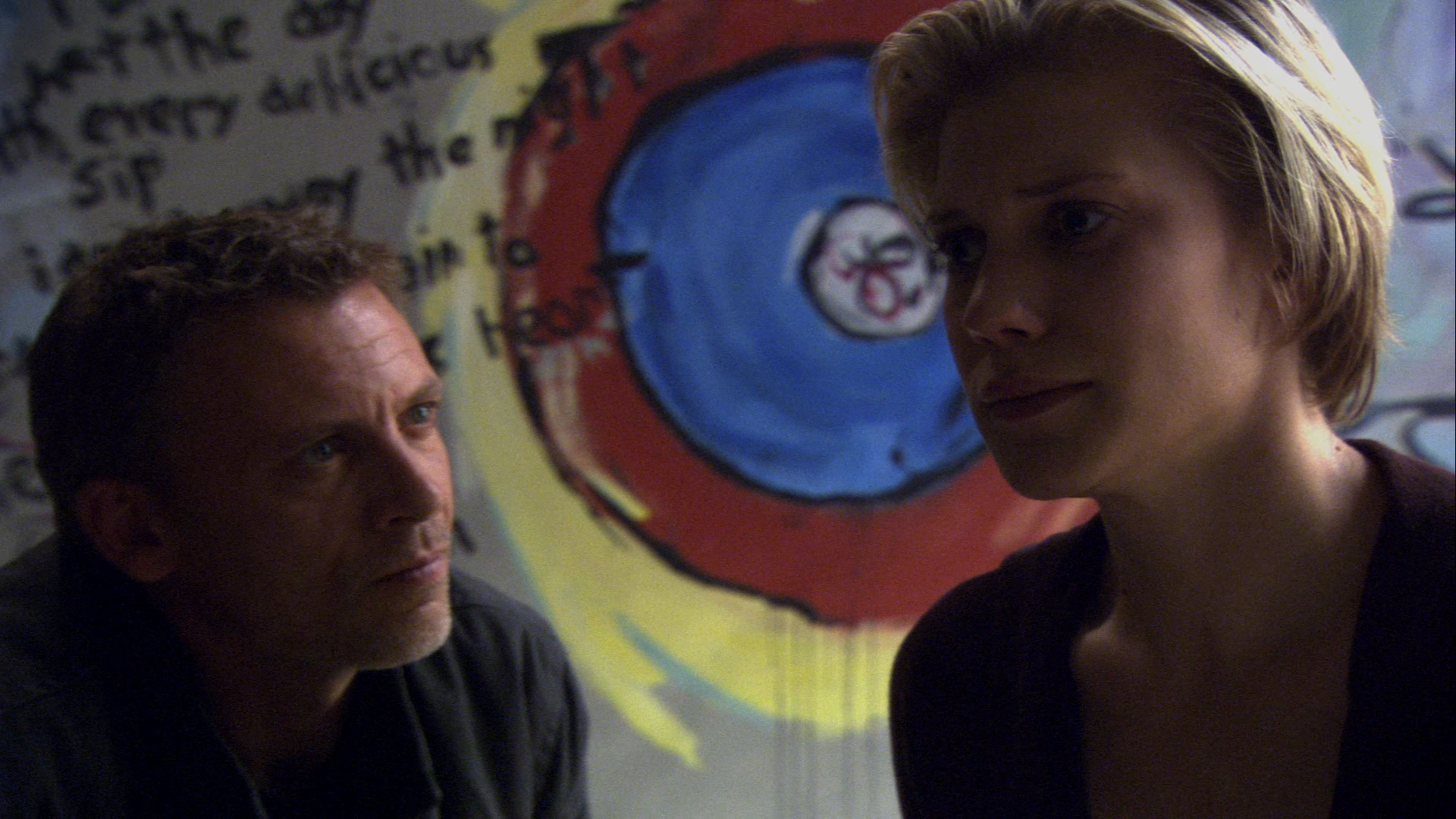
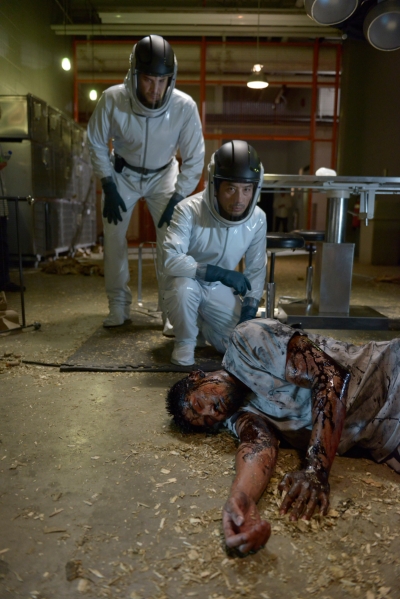
When I first saw the promos for the SyFy channel’s original series Helix I was intrigued. The premise: a group of CDC scientists travel to a remote arctic lab following a zombie-like outbreak. Initially what drew me were the zombies. What turned me off was the soap opera subplot: team leader Alan Farragut is joined by ex-wife Julia Walker, who slept with his brother Peter, who coincidentally is one of the infected.

It turns out I got it all wrong, and that was probably intentional on the part of the writers. (WARNING: spoilers ahead)

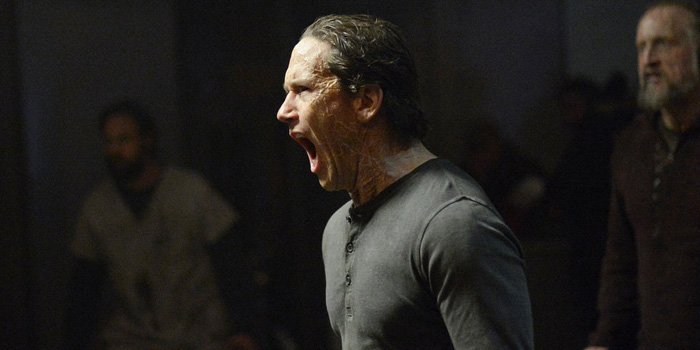
About the zombies. They were not zombies. By definition, zombies are the reanimated dead. Or, at the very least, they are not able to be cured, only destroyed. The writers kept us vague about the nature of the illness throughout, and once we saw the cure take effect, then I knew that these weren’t zombies. Instead they were a hive-like virus. Still damned scary.

Image

It turns out this whole zombie plot was nothing more than a MacGuffin. Simply put, a MacGuffin is a plot device that instigates the action, but in reality bears little importance to the story as a whole. One of the most famous MacGuffins is in Pulp Fiction. What was in that briefcase? We never knew, and its identity was irrelevant. Likewise, in Helix, the outbreak was a larger distraction from what the story was really about.

And what was it about? That’s hard to tell. On one level it was all about Julia Walker, the pouty, surly cheating scientist. She became the focal point of the storyline. And it worked. Julia was complex enough to be fully believable. She, along with Sergio Balleseros, a good/bad guy, were some of the more interesting characters in a show that suffered from weak characterizations.

Not only was Helix about Julia and her relationship with her estranged father Dr. Hatake, and missing mother (who showed up all too briefly), it was also about the cryptic Ilaria Corporation, which may not really be a corporation, but a collection of 500 immortals. It turns out that Ilaria, and not the outbreak, is the true focus of this show.

Image

So what does any of this have to do with that viral outbreak in an arctic lab? I’m not entirely sure. They hinted at population control, but that doesn’t explain the hive-mind of the infected.

Too many questions. Previously I doubted Helix would be renewed. It looks like I was wrong. In 2015 these questions may be answered (or not).

In the meantime, kudos for the writers for crafting a tightly wound puzzle of a show. There were no flashbacks, each episode consisted of a single day, and it was filmed in such a tight, claustrophobic way to keep you hooked. And it was not afraid of science. It was well worth my time.

Are multiple universes real? Some scientists say yes

The good news – they believe they may be real. The bad news – we may never be able to access them, or even want to.

How cool would it be to visit an alternate version of yourself, say, a world where you married your college girlfriend instead of breaking up? Or visit the version of yourself who is the ninja badass you always imagined yourself to be?

Image

Scientists have long theorized that multiple universes exist, and now they may have proof.

I won’t delve into the science behind all this — it’s over my head. But I’ll get to the heart of it: a recent discovery on the inflation of the universe, as explained in this Scientific American article, supports a hypothesis that multiple universes exist in this humongous thing called space.

How would it work? Imagine a glass of soda. In the soda there are tons of bubbles. Each bubble would be its own universe. Simple enough.

But there’s a catch. Actually, a few.

First, it is theorized that these alternate universes would follow different physical laws. Scientists have no reason to believe that the basic properties of matter hold true. It just seems to be the way our universe is constructed, by nature, by God, take your pick. Let your mind go crazy with how these other universes might be constructed. The possibilities are infinite. But we would stand no chance of surviving.

Second, how would we access these alternate universes, even if we wanted to? We can’t even get very far across our own universe, which is too large for us to rationally fathom.

Third, and this gets to my problem with science, this is all basically theory. Science and religion love bashing each other, but what they don’t realize is that they’re more alike than they’d care to admit. Both are tightly constructed belief systems with high priests who disseminate knowledge. Science relies on the observable world, and religion tends toward philosophy, but both frequently get it wrong. (For the record, I’m a fan of aspects of both.)

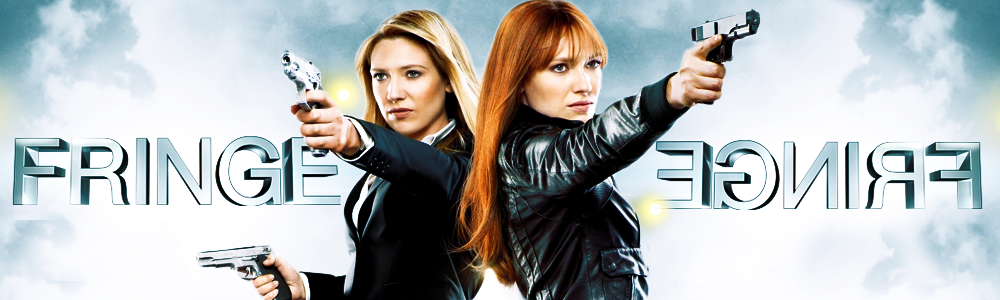
So, in the end, I think we’re stuck with multiple universes existing solely in our imaginations, which is good. I loved when the TV show Fringe, a great underrated sci-fi series, used alternate universes to enhance the show’s mythology. The old TV show Sliders, where the cast of characters went from alternate world to alternate world, was great fun. Doctor Who used parallel universes briefly and effectively. And I’m writing a story now that is centered on parallel worlds – and alternate versions of the main character.

While the science is exciting, I’ll stick with the fictional side of multiple universes. For now.

Read this book: The Passage

This literary/genre juggernaut is worth the hundreds of pages.

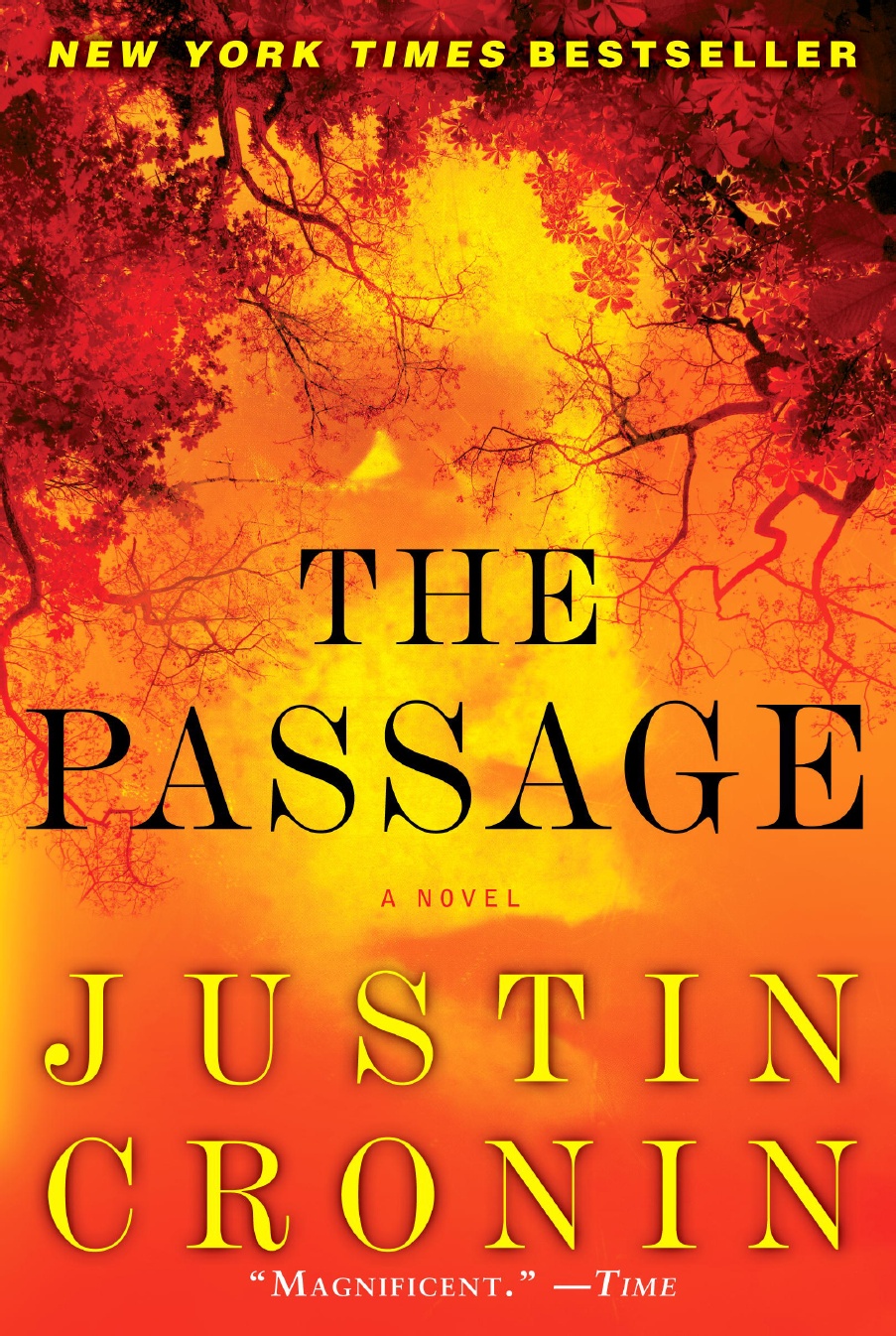
passageIf you picked up The Passage without knowing the plot, you would quickly know that dark times were ahead. It starts out with a deadly virus culled from South American bats, adapted and tweaked by government scientists to create super soldiers. Of course they test it out on twelve vicious killers on death row. And of course the outcome is worse than these scientists could ever have imagined.

So begins The Passage, Justin Cronin’s cinder block sized novel about vampires, the first of a trilogy. In other hands this setup might have been just another soon-to-be-forgotten pulp read. Cronin has the skills and literary background to create a lush, sprawling tale that spans genres and centuries.

The Passage, like the monsters it portrays, mutates and grows. It starts off as a technothriller that follows FBI Agent Brad Wolgast and one little girl named Amy. Amy is taken by these scientists and is given the same serum that turns twelve killers in to vampires. It doesn’t do that to her; instead it keeps her young. As the twelve proto-vampires escape and create their own tribes of powerful, evil vampires, Wolgast takes Amy and flees into a dying America.

Then we shift.

Courtesy of a report from a University set 1,000 years in the future (there’s hope for humanity!), we jump ahead nearly 100 years after the first vampires were created. Now we’re in a small California compound — a former FEMA camp — with a handful of survivors. Here we follow Alicia, one badass warrior woman, and Peter, along with other members of their community, as they struggle to survive. The technothriller is now a dystopic tale, reminiscent of the Mel Gibson flick The Road Warrior, though one deeply infested with horror that rivals Stephen King. Amy, the infected girl from the beginning, shows up and she becomes pivotal to the colony’s struggle against vampire hordes and horrific odds.

So what’s great about The Passage?

Start with the writing. I’m a fan of wordsmiths, and Cronin is definitely one. Though the book is huge, there isn’t much in terms of fat, and lyrically it is beautiful without being distracting.

Then there are the characters. The Passage includes several characters, and Cronin writes from their point of view. We get to know there people, and without exception they’re all three-dimensional.

And the plot. The Passage is thrilling end-of-the-world fare. We see America crumble. There’s a scene early on as a train full of people flees Philadelphia – the last train out before the city is overwhelmed. The train ride is harrowing, as the vampires pick off the train car-by-car. A few lucky ones only barely manage to survive. This scene has stayed with me.

This is just a glimpse into the world of The Passage. There are tons of twists and turns in this book, more than enough to get you hooked.


Helix: the last spasm?

The SyFy original was more than I thought it would be, but will the lack of character (and viewers) be its downfall?

Image

One episode left for SyFy’s 13-episode sci-fi series Helix. No word yet on whether it will be renewed. Knowing SyFy, we may never see Helix again, which would be a shame.

When Helix was first launched, I was intrigued. Was it a zombie story? A medical procedural? Knowing it was produced by Battlestar Galactica‘s Ronald D. Moore was a plus, but so what?

Over the past 12 episodes I’ve been surprised. It was not at all what I expected. The writers of Helix have seeded intrigue steadily and consistently, with more than enough plot twists to keep me coming back.

–About those “zombies” – I would liken them more to vampires in the sense that the infected don’t die and come back to life, but turn. And what do they turn into? A sort of hive collective. Think bees, or ants – parts of a whole. A snippet of dialogue explained that the virus appears to be acting in concert, across the bodies of the infected. Kind of like Star Trek‘s Borg collective. It’s a cool twist on an old trope. I loved when one of the infected spit a mouthful of blood into the Keep Calm mug.

Image

–The writers have built layers of mythology, the most notable being the identity of the company that is funding Dr. Hatake’s research: the Ilaria Corporation. Their rep was Constance Sutton, overacted by Jeri Ryan, who didn’t fare too well against a desperate Hatake. Now we know that Ilaria is populated by 500 “immortals.” Like Hatake. And… his daughter.

–And that would be Julia Walker. Sure, it was a soap opera move reminiscent of Star Wars, but I bought it. The reveal of Julia Walker as Hatake’s daughter was telegraphed, and it made sense in terms of Hatake’s motivations and actions. It explained his preoccupation with her, as well as the fact that he rescued her from the infected-zombielike fate by making her “immortal” too.

Image

–But what about this immortality? Is it a fact? Why? Where did it come from? And what does it have to do with the Narvik A virus, the one that’s creating the hive-minded people? Could it be that Ilaria and the 500 want to rid the world of those annoying mortals forever? But is that the best way?

–Speaking of pesky mortals, we’ve got a mixed bag of semi-developed characters, which is Helix‘s glaring weakness. Crusading CDC researcher Sarah Jordan has been on death’s door for a few episodes now, and honestly I don’t care. Peter Farragut was healed, but he was more interesting as a viral. Alan Farragut is noble but cardboard. The only characters who have moderately interested me are Julia Walker, Hatake, his stolen/adopted son Daniel, and the evil-but-trying-to be good Sergio Balleseros. Compare Helix to Lost: Lost made you care about the characters, whatever nonsensical craziness happened on that island. Helix struggles to make us care.

Image

–But then there’s the storytelling. While Helix fails in characterization, it excels in plot and pacing. It is consistent in giving me just enough to hook me. The plot twists keep me off-balance. The visuals are stilted and creative. The music is moody and disturbing. Helix is a quickly moving story. Each episode spans single day, and it’s told with no flashbacks. The structure is bound and wound.

There is something subtly different about Helix. It’s not perfect, but few TV shows are. There’s only one episode left, I suspect not just for this season but for good. If this is the case, then Helix was a great experiment in tight, daring storytelling.


Book vs movie: World War Z

It was nearly an impossible book to film, but they filmed it anyway.

There’s only one book that comes to mind as a successful movie adaptation (though I’m sure there are tons of others), and that’s The Hunger Games.

Zombie thriller World War Z by Max Brooks was a mega-successful book.

Image

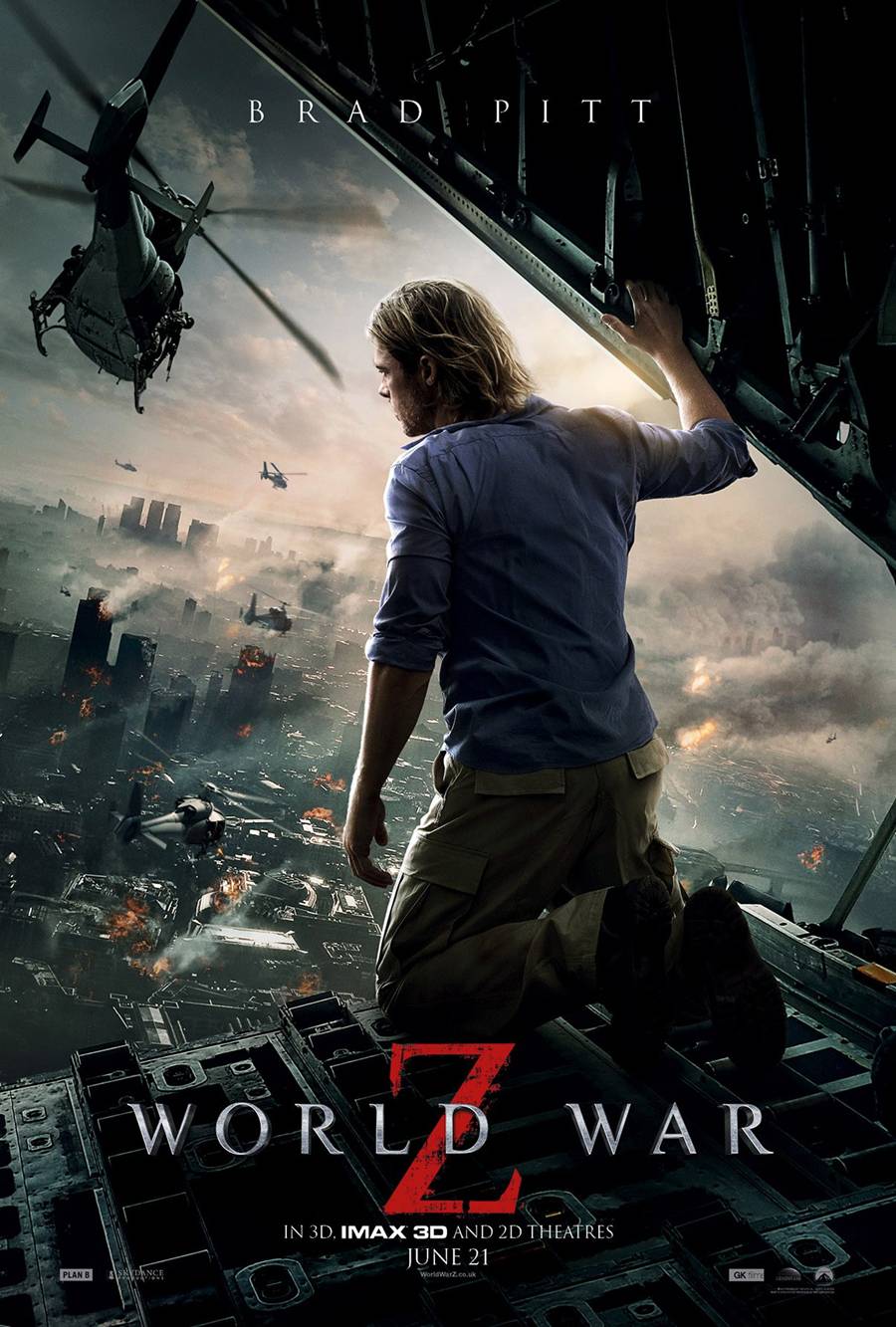
World War Z the movie, produced by Brad Pitt, was a moderately successful movie.

Image

Both are vastly different beasts, and the adaptation didn’t quite make the Hunger Games standard.

To be fair, the book is nearly unfilmable as written. It’s told in the style of The Good War, an oral history of World War II by Studs Terkel. World War Z (book) is written after a global zombie pandemic/attack/war. It’s narrator is a UN rep who is compiling reports on the war from around the globe. In a neat literary trick, while the narrator appears in every chapter — he actually interviews the survivors — we never even know his name, or much else about him. This allows the focus to be on the individual stories throughout the book.

And the stories are gripping. We hear from normal folks who have to bury their pain to soldiers who relay harrowing tales of near death to higher-ups who reflect on the war from a matter-of-fact perspective. Max Brooks excelled at writing these micro-tales that not only have genuine human drama, but combine facts on worldwide culture and geopolitics. Brooks covers nearly every facet of the global war and its aftermath, including the new world order that results. It’s fascinating to see how Russia has become a theocracy, Cuba is a capitalist powerhouse, Israel and Palestine finally live in peace, and China is a democracy.

The movie version of World War Z. goes in a different direction. The hero (Hollywood loves its heroes) is Gerry Lane (Brad Pitt). He is a former UN investigator who gets caught up in the zombie outbreak in Philadelphia with his wife and daughters. After a close escape from a Newark rooftop, Lane and his family are flown to a ship, where Lane is called back to duty to help a CDC scientist search for a cure. This search takes Lane (and the viewer) to South Korea, Israel, and Wales.

The movie tried to stay true to the book in the sense that it was a global story. It was exciting to travel to those locations, even if the plot felt forced. For instance, I was unsure as to why Wales, in particular.

But while the book was one of my favorite reads, it did lack that central human character, and that’s the role that Gerry Lane served.

The movie also improved the book in its use of zombies. These were not the slow, ambling (though still menacing) zombies that we’re used to ,and which Brooks used. These zombies were lightning fast. The opening scene of Lane’s escape in the Philly streets was outstanding. The swarm happens in real time. It’s intense. There’s nothing like that in the book, though to be fair, it’s much easier to relay menace on film than in a book. And the scene with the zombie swarm scaling the wall in Jerusalem is a classic.

Image

Still, the movie couldn’t quite match the book in its scope. And as with most action movies, it stretched my belief nearly to the breaking point. A zombie outbreak on a plane results in a too-neat escape that could never happen in real life. Also, in the movie, the Israelis survived because they spotted the threat before any other country and walled themselves off. Yet they didn’t realize that noise would attract the zombies? The movie turned one of the most hopeful parts of the book — a lasting Israeli-Palestinian peace — into a tragedy.

In short, there were too many harrowing escapes for Pitt, and the last act in Wales nearly put me to sleep.

My recommendation — read the book if nothing else. Then see the movie, at the very least for it’s amazing visual effects. I hear there are sequels to the movie planned. Hopefully they figure out how to add more of the book’s heart.