Battlestar Galactica revisited: Gaius Baltar’s trial

Great stories must include these 3 elements: a strong premise, great characters, and a compelling plot. Two now-classic TV shows from the last decade—Lost and Battlestar Galactica—had the first two in spades.

Take Lost. The premise: a plane crashes on a mysterious island and the survivors must battle not only each other, but the island’s inhabitants and the island itself. The characters: Jack Shepard, John Locke, Kate Austen, Sawyer, and Ben Linus, to name a few, were all strong and dynamic.
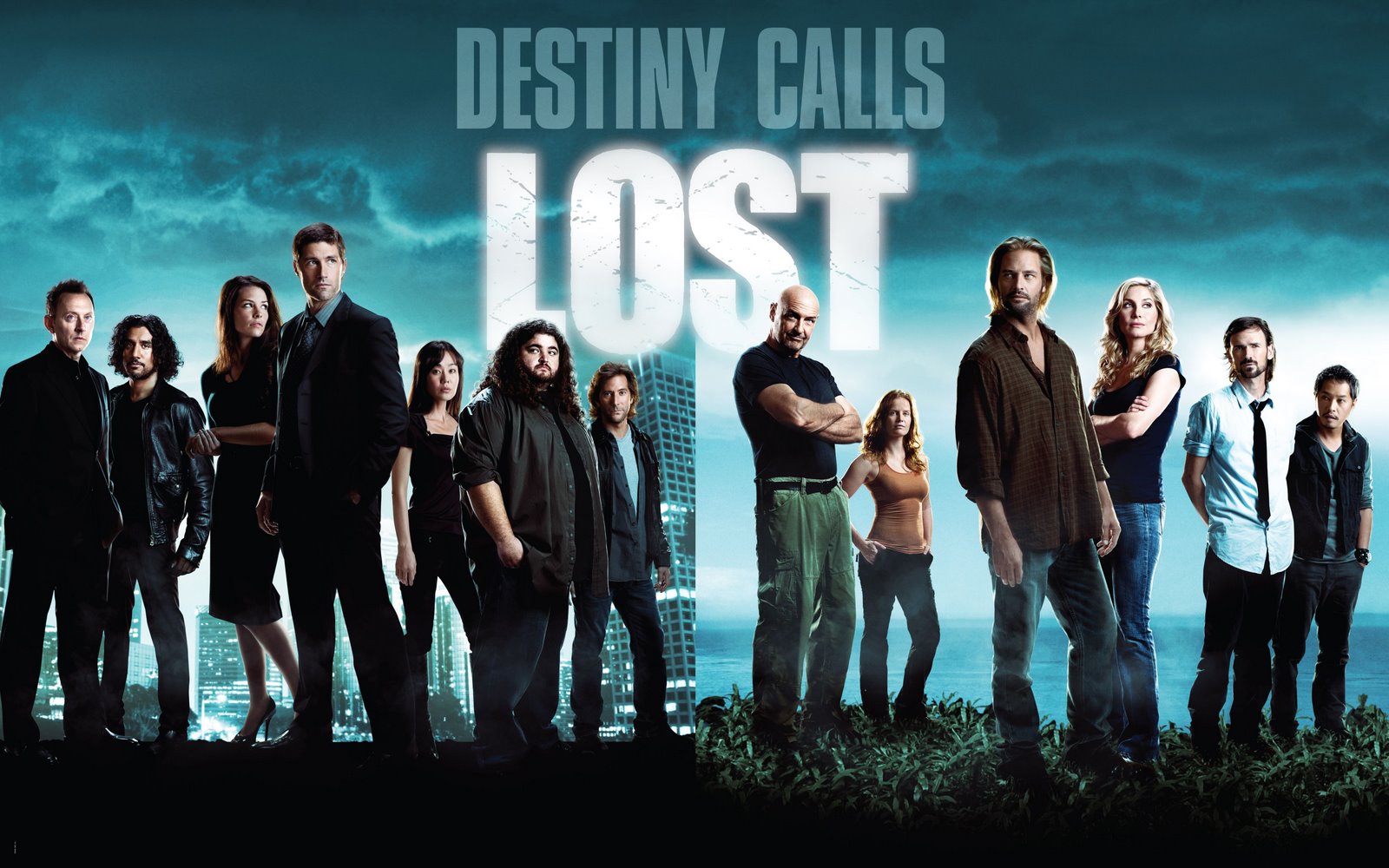
LostPoster

And then there’s Battlestar Galactica. The premise: Cylons (sentient robots) destroy their creators, but a ragtag group of human survivors flee through the universe in a search for a mythical planet called Earth. The characters: Admiral Adama, President Laura Roslin, Starbuck, Gaius Baltar, Apollo, the cylon Caprica Six, and many more. Again, all compelling.

battlestar

Both shows faltered when it came to plot. It’s safe to say that the endings of Battlestar Galactica and Lost were troublesome.

Nevertheless, what these shows gave us was a new and dynamic way to tell stories.

Battlestar Galactica was a reimagining of the 1970s series. The new version, written by Ronald D. Moore, was a gritty sci-fi drama that mirrored the American experience in the 2000s as the country suffered through the World Trade Center and Pentagon attacks and the resulting global war on terror and Iraq War. Battlestar Galactica was unflinching. It ran headfirst into controversial issues.

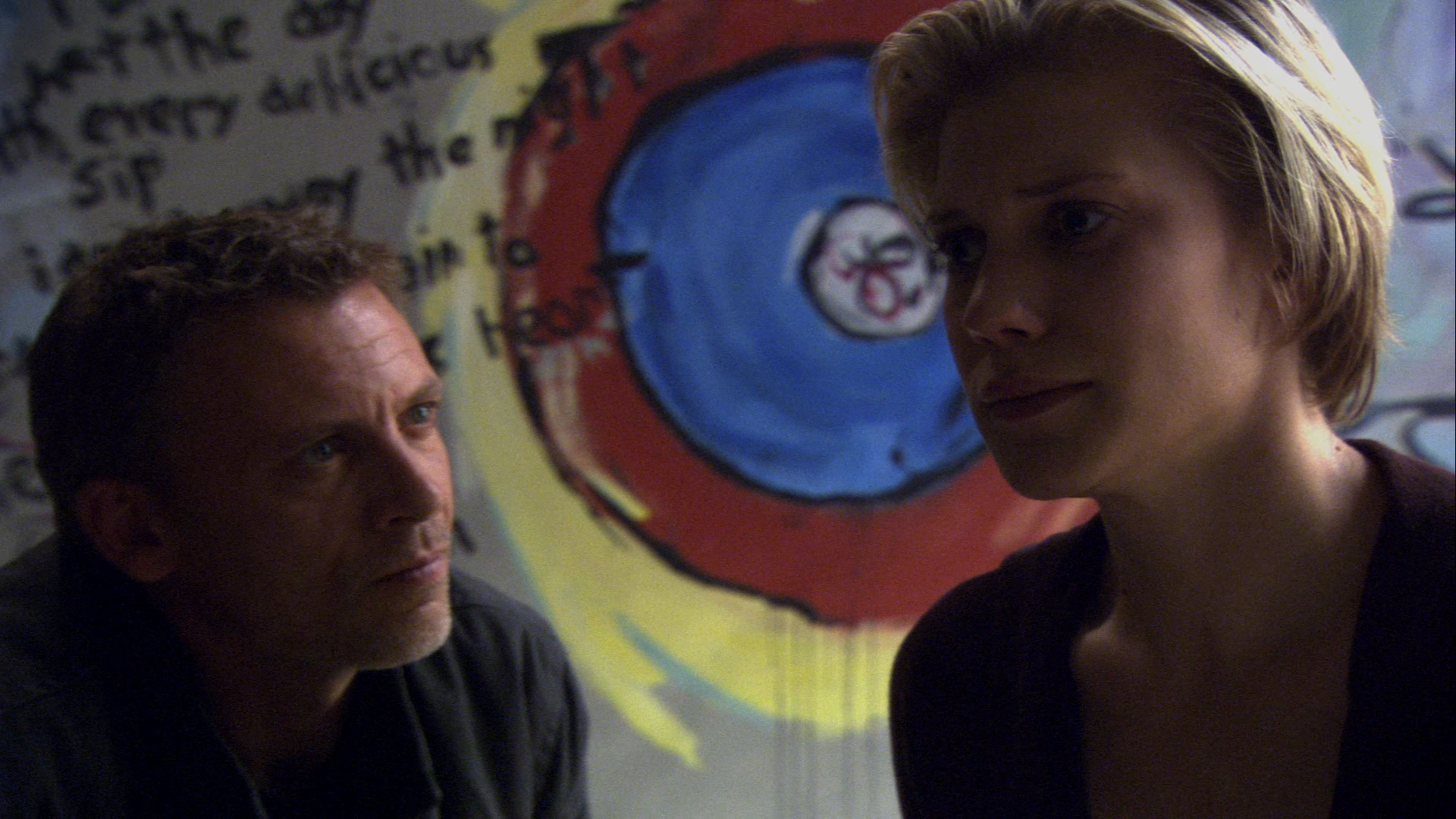
baltarOne of the best examples was the trial of Gaius Baltar. A haunted genius, Baltar was an amoral man whose sole concern was his own survival. In the old series he was a stock villain. In the new show, there were times, many times, when I found myself rooting for Baltar, even when I knew he was a jerk.

One of those times was his trial.

Baltar was elected President of the surviving humans, beating Laura Roslin (who nearly rigged the election to stop Baltar). Under his leadership, the humans chose to settle on a habitable planet, dubbed New Caprica, instead of seeking Earth. But the humanoid cylons soon found them. Instead of wiping them out, they instituted a terror-like regime to control the humans.

Baltar went along with them. What choice did he have?

Once the humans broke free from the cylons and escaped, Baltar was ousted as president and then put on trial for crimes against humanity. The resulting trial was a brilliant piece of drama. Obviously Baltar colluded. How could he be found not guilty?

baltar trial

This article from io9.com revisits the trial. It’s a fascinating look at the law and its use in fiction. Was the trial a farce? To an extent, yes. But the whole point of the show (and a theme of our own global war on terror) was that these were not normal times. When the whole of humanity has been reduced from 20 billion to fewer than 50,000, who are actively being chased by murderous robots, you do the best you can.

Some of the plot twists of Battlestar Galactica, including Gaius Baltar’s trial, pushed the bounds of logic and reason, but it’s great to see that so many elements of this iconic series still resonate.
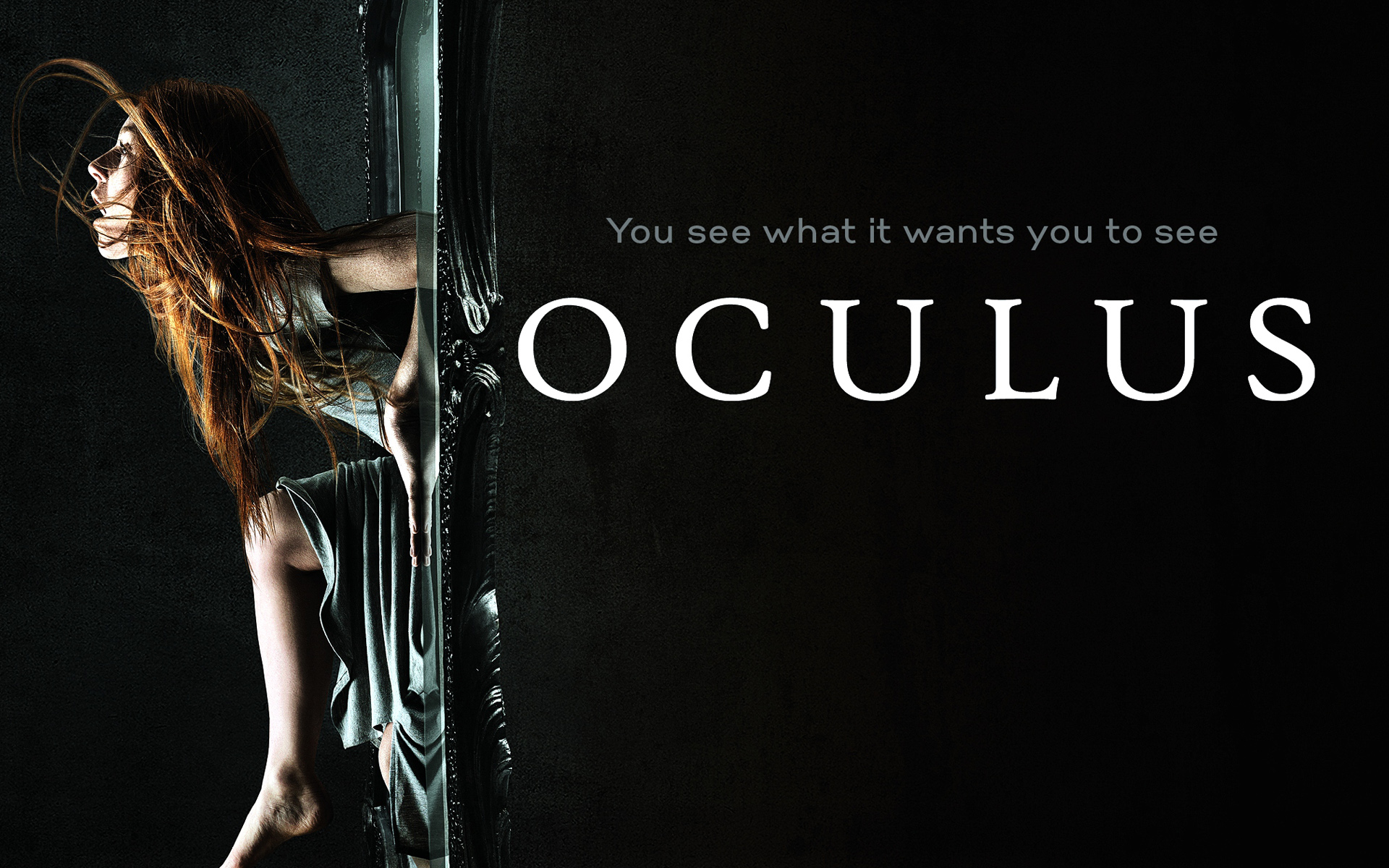
See this movie: Oculus

Oculus is a cunning, tough horror movie that will leave you unsettled.

oculus_2014_horror_movie-wide

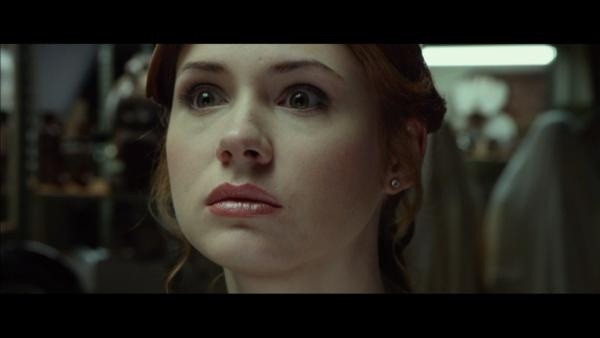
When we last left Karen Gillan, the Scottish woman with the big eyes who played Amy Pond in Doctor Who, she was staring at the weeping angels to avoid being sucked back in time (spoiler: she wasn’t successful).

Oculus Gillan

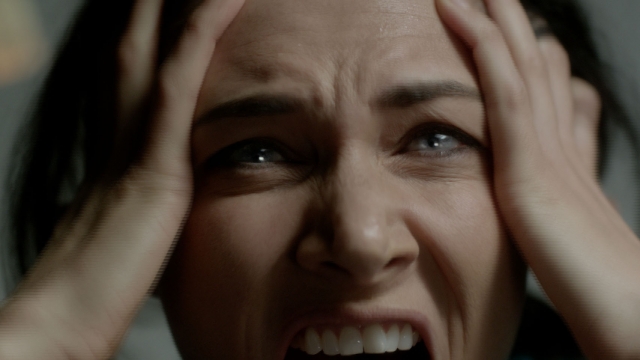
Now, in Oculus, the actress is donning an American accent (competently) as she stares into a haunted British mirror to fight an evil force.

Oculus is the latest horror offering from the forces behind the Saw series (too gory for me) and the Insidious flicks (good, fun horror). I was expecting something along the lines of Insidious. I was not prepared for a dark and harrowing tale of family madness, PTSD and psychological horror.

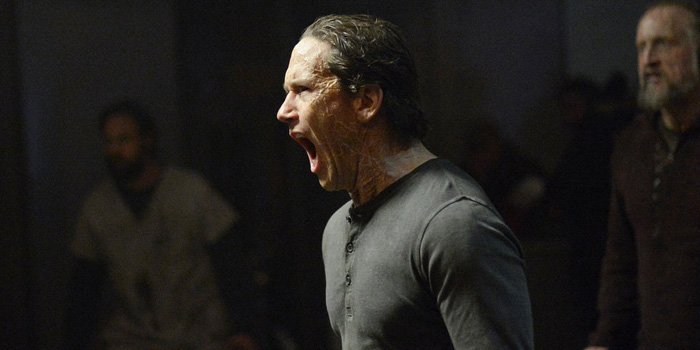
The setup: Tim is released from a mental hospital. Ten years earlier, he, along with his sister Kaylie (Karen Gillan), witnessed a horrific crime when their mother turned psychotic and was shot by their father. They only survived because Tim killed their father. Tim has been thoroughly rehabilitated. Kaylie, on the other hand, has gotten hold of the evil mirror which may have driven their parents (their mother is played effectively by Battlestar Galactica‘s Katee Sackhoff, aka Starbuck) to madness and death. She intends to defeat the evil that lies inside, along with Tim’s unwilling help.

Oculus

Oculus was great on two levels.

First, the narrative structure was brilliantly crafted. We bounce back and forth between the present and the original crime 10 years earlier. As the movie progresses, the past and present merge to great effect. And, even though we know the outcome of the events in the past, there’s still heart-pounding tension.

Second, one of the strengths of horror/sci-fi/fantasy is that it gives us the chance to explore common, painful themes in a fantastical setting. Oculus does that. On one level, this is the story of a horrific childhood, mental illness, and the stubborn hold that trauma has on our lives. A good chunk of the film is spent debating reality, for good reason. I enjoy writing about the supernatural because it allows me to explore deeper issues. The writers of Oculus obviously feel the same.

Oculus draws on a rich heritage of horror films. I picked up on the references to The Amityville Horror, a classic movie about possession that scared the life out of me as a kid. It uses these tropes effectively.

My main complaints would be that the Nightmare on Elm Street effects of “is this real or not” were overdone, and the nature of the evil, which was way stronger than our protagonists, was never hinted at (perhaps setting up a sequel). And the title sucks. I keep calling it Ocular. Not good.

Oculus is not an easy movie. It is not an escape. But it shows the power of horror to shine a spotlight on very human terrors.


Was Battlestar Galactica too religious?

Is there a role for faith in sci-fi? I say of course, but the battle simmers.

Image

This recent post from a Netflix-sponsored blog brings up the issue of religion as discussed in the 2000s now-classic series Battlestar Galactica. The four-season-long reboot of the 1970s show was well written, well acted, and wasn’t afraid to take on the big issues of the day (the opening battles of the global war on terror). But by the time the show ended its run, there was simmering controversy among its fans: why end it with all the overt religious references?

I would say they weren’t truly paying attention.

Battlestar Galactica in its fun and campy 1970s incarnation was an allegory for Mormonism. And it was great television sci-fi, even to my 7-year-old mind. When it was relaunched it kept a strong element of religion. The cylons were inspired by the one true god, and they despised the humans not only as their creators, but for their polytheism. The cylons consistently talked of “a plan” and of their faith in god. Meanwhile, the humans always implored and paid tribute to their Greek-named gods. Take a look at this promo picture below. Can this get any more overtly religious?

Image

So if the religion was in the DNA of Battlestar Galactica, why the controversy?

Two reasons:

–There are many in the science community–and the sci-fi community–who see religion and science as antagonistic. They view science as the antithesis of religion. Therefore, having a sci-fi show that takes religion seriously (and not just as a metaphor or a plot device) is at its heart a betrayal of all that is sci-fi. I am not one of these people.

Battlestar Galactica fully embraced religion. It took faith seriously. However, it failed in that it used the mystery of religion to paper over plot holes. The biggest: when Starbuck disappeared, seemingly died, and came back. Was she some sort of angel? Was she reanimated? The writers never even tried to explain. Faith was used in the wrong sense. The viewer was expected to have faith that things were happening for a reason.

Image

What reason, though?

Unfortunately we were never given a satisfying answer. All we heard were things like “this has all happened before, and it will all happen again.” Uh, ok.

The cause for the Battlestar Galactica controversy are twofold – one inevitable and the other avoidable. All in all though, the series is brilliant television. Its strengths far outweigh its flaws.

Helix: the last spasm?

The SyFy original was more than I thought it would be, but will the lack of character (and viewers) be its downfall?

Image

One episode left for SyFy’s 13-episode sci-fi series Helix. No word yet on whether it will be renewed. Knowing SyFy, we may never see Helix again, which would be a shame.

When Helix was first launched, I was intrigued. Was it a zombie story? A medical procedural? Knowing it was produced by Battlestar Galactica‘s Ronald D. Moore was a plus, but so what?

Over the past 12 episodes I’ve been surprised. It was not at all what I expected. The writers of Helix have seeded intrigue steadily and consistently, with more than enough plot twists to keep me coming back.

–About those “zombies” – I would liken them more to vampires in the sense that the infected don’t die and come back to life, but turn. And what do they turn into? A sort of hive collective. Think bees, or ants – parts of a whole. A snippet of dialogue explained that the virus appears to be acting in concert, across the bodies of the infected. Kind of like Star Trek‘s Borg collective. It’s a cool twist on an old trope. I loved when one of the infected spit a mouthful of blood into the Keep Calm mug.

Image

–The writers have built layers of mythology, the most notable being the identity of the company that is funding Dr. Hatake’s research: the Ilaria Corporation. Their rep was Constance Sutton, overacted by Jeri Ryan, who didn’t fare too well against a desperate Hatake. Now we know that Ilaria is populated by 500 “immortals.” Like Hatake. And… his daughter.

–And that would be Julia Walker. Sure, it was a soap opera move reminiscent of Star Wars, but I bought it. The reveal of Julia Walker as Hatake’s daughter was telegraphed, and it made sense in terms of Hatake’s motivations and actions. It explained his preoccupation with her, as well as the fact that he rescued her from the infected-zombielike fate by making her “immortal” too.

Image

–But what about this immortality? Is it a fact? Why? Where did it come from? And what does it have to do with the Narvik A virus, the one that’s creating the hive-minded people? Could it be that Ilaria and the 500 want to rid the world of those annoying mortals forever? But is that the best way?

–Speaking of pesky mortals, we’ve got a mixed bag of semi-developed characters, which is Helix‘s glaring weakness. Crusading CDC researcher Sarah Jordan has been on death’s door for a few episodes now, and honestly I don’t care. Peter Farragut was healed, but he was more interesting as a viral. Alan Farragut is noble but cardboard. The only characters who have moderately interested me are Julia Walker, Hatake, his stolen/adopted son Daniel, and the evil-but-trying-to be good Sergio Balleseros. Compare Helix to Lost: Lost made you care about the characters, whatever nonsensical craziness happened on that island. Helix struggles to make us care.

Image

–But then there’s the storytelling. While Helix fails in characterization, it excels in plot and pacing. It is consistent in giving me just enough to hook me. The plot twists keep me off-balance. The visuals are stilted and creative. The music is moody and disturbing. Helix is a quickly moving story. Each episode spans single day, and it’s told with no flashbacks. The structure is bound and wound.

There is something subtly different about Helix. It’s not perfect, but few TV shows are. There’s only one episode left, I suspect not just for this season but for good. If this is the case, then Helix was a great experiment in tight, daring storytelling.


Helix: more zombies coming to television?

Previews are cryptic, but it’s from Battlestar Galactica‘s Ron Moore, so who knows?

Image

SyFy is promoting their new show Helix, set to air in January. It’s about a team of scientists fighting a viral outbreak in an Arctic research facility. This virus, from what I can tell, turns people into faster and stronger zombie-like creatures.

But aren’t zombies overdone? What’s left to do with them?

The promo for Helix focuses on the scientific process. Um, okay. Then what?

The good (or bad) news is that it’s exec produced by Ron Moore, the genius who resurrected Battlestar Galactica and then steered it into a wonderful mess by the time it ended after four seasons. Where will he take Helix? Based on his track record with BSG, it’s anyone’s guess.

Hell, he might not even know for sure.

I’ll give it a shot.

DON’T read this book: Under the Dome

The ending is throw-the-book-across-the-room horrible, and it’s why I won’t waste my time on the TV show.

There’s nothing worse in the world of fandom when one of your favorites screws up epically (see Star Wars: Jar Jar Binks). I’ve been a fan of Stephen King since I was 15, and his Dark Tower series, aside from when he stuck himself in the books as a character, remains one of my favorite series of books (I’ll write a more comprehensive blog post on the Dark Tower books – the good, the bad and the weird – later).

Now I realize that sci-fi/horror/speculative fiction is a landmine for plot missteps. You begin with a fantastical premise and must go from there. It’s easy to paint yourself into a corner plot-wise, and there are plenty of well-known controversial creative choices (see the final seasons of Lost and Battlestar Galactica for two).

But none are as horrendous or unforgivable as Stephen King’s ending to Under the Dome.

The plot: a dome suddenly covers a small Maine (duh – it’s King) town. Nothing can get in or out. Lord of the Flies style chaos ensues.

The ending reads like a rejected Twilight Zone script. Maybe I’d be more generous if there was a single likable character. It’s bad enough that the villains were mustache-twirling caricatures; the heroes were either cardboard or they were jerks. The TV show Lost had some plot convolutions that required hefty suspensions of logic, but at least the writers had you invested in the characters – even the villains were multifaceted. By the end of Under the Dome I would have voted to keep them all trapped and smothered.

So how exactly did it end? You really want to know? Okay.

SPOILER BELOW…

….

….

It turns out the dome was set in place by a child alien on another planet. He was playing with the town as a human child would use a magnifying glass to torture ants. The alien parent calls, and the alien child lifts the dome. The End.

Eleven hundred words for that. Ugh.

King needed a good editor. He needed someone to say HELL NO, try again. All writers need at least one pair of non-starstruck eyes.

I’ve read that the TV show will deviate from the book. I’m not wasting my time.