Sometimes you need a little blood to make a story come alive. I’m not recommending you take out a razorblade and cut yourself, or someone else, but do it metaphorically.
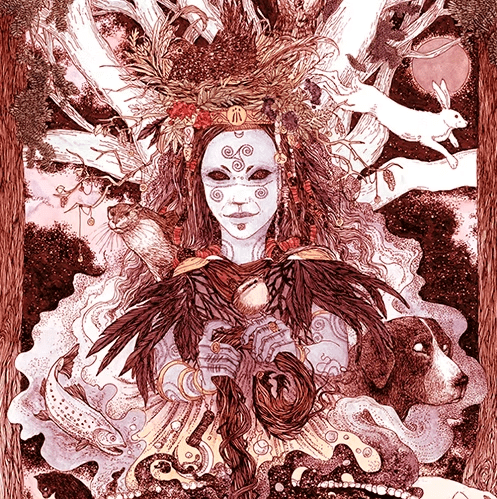
I used this mindset in the crafting of my short story, Little Lamb, which was just published here by Epoque Press. The story follows Drew as he ventures to a very bizarre late night beach barbecue at the behest of his friend, Patrick, who in many ways is his Jungian shadow. I won’t spoil it, but let’s just say there is definitely blood involved.
Let’s rewind first. Credit where credit’s due. As I’ve written here before, someone (Virginia Woolf?) once said books beget books. Woolf’s Mrs. Dalloway was a riff on James Joyce’s Ulysses. I’m a staunch proponent of writers having to READING fiction in order to truly be a great writer (many of them don’t). First, it gives you an insight into great writing and storytelling, and second, it inspires you.
For the past five years or so I’ve been giving myself my own MFA in the craft of the short story, so far covering writers like Flannery O’Connor, Hemingway, Carver, just to name a few. Reading them. Dissecting them. Hand-writing passages from their stories. Another one of these writers was Yukio Mishima.
Mishima, from Japan, was one of the most prominent mid-century writers. I haven’t done too deep a dive into his bio, but he was an interesting and complicated cat. A difficult human, but also one who put his soul into his writing. You can feel the man’s pulse when you read his work. One of his stories, Raisin Bread, jumped out to me. It resonated. It haunted me.
I knew I had to grapple with it. I wrote passages longhand, over and over, and then I examined the characters and the setting and the plot. I took it all apart in my mind, and then I wanted to reassemble it all into something new, something different—take his set-up and veer off in a wildly different direction.
And that is how Little Lamb came to be born.
It’s weird, this deep dive into the craft of the short story I’ve undertaken. I’ve come to get so attached to these long-dead writers: Flannery and Ernest and Yukio, and I want to show them what they’ve taught me. I can’t do that, but I can share it with the world.
Image source: Epoque Press

