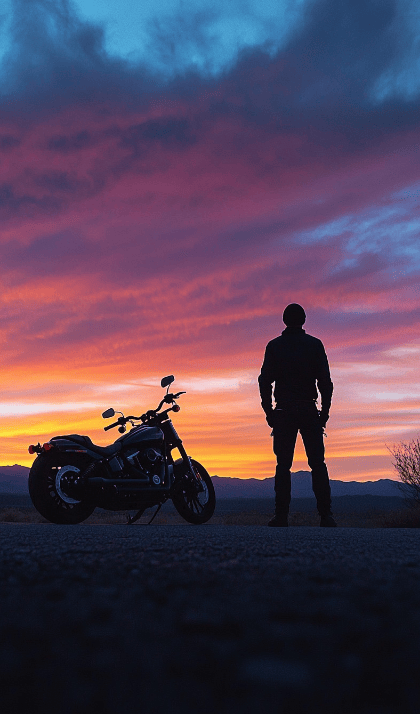
Who doesn’t love a good post-apocalyptic story?
When I was young, the Mad Max movies were some of my favorites. I saw The Road Warrior first, then Mad Max, and on to Thunderdome. Action, mayhem, and Mel Gibson trying to survive in a ruined world beset by evildoers.
Then came my next big post-apocalypse journey: The Walking Dead. Technically this is a horror show about the zombification of the world, but The Walking Dead is really about trying to survive in a collapsed society where other humans are as dangerous as the zombie threat (if not more).
In both of these fictional worlds, allies are few and enemies are legion. Kindness and cooperation are scarce.
At some point, I got sick of this trope. I blame The Walking Dead, where despite its great characterization and storytelling, quickly became a one-note show. Again and again, our protagonists would encounter a ruthless group of humans. It got boring. I forget when I tapped out of The Walking Dead, which, much like the fictional zombies, refuses to die.
When I set out to write my story, A Prayer to the Lord of Everlasting Chains, (published here at Mysterion) I didn’t have my weariness with post-apocalyptic literature in mind (I’ll come back to this later). I actually had something else in mind entirely: a song called Nica Libres at Dusk by Ben Howard.
Songs influence my writing, whether the mood or the lyrics themselves, and Howard’s song is a somber one about a protagonist in bad health who is smoking cigarettes and looking at the road ahead rather than the road behind. This protagonist spoke to me, so I went with it.
It resulted in my story, which follows Gil and Shelby, who live at a former university horticultural center following a nuclear war. Shelby is pregnant after suffering two miscarriages and Gil is sick, likely terminal, and is hiding it from her. Soon in the story, a stranger comes to town (this is one of the classic plots), and of course he upends their lives.
Now think about what I opened this post with. The post-apocalypse world as a dangerous one is such an overused trope. I wanted something different. How about a post-nuclear world that is healing? How about one where people are consciously working together to rebuild a functional and supportive society?
Humans don’t have to be at arms. The 1954 William Golding novel Lord of the Flies depicts stranded schoolboys who turn tyrannical and murderous, but this isn’t necessarily true to life. Reality bears this out. When a group of children were similarly stranded, they helped each other survive rather than turn on each other.
Why does post-apocalyptic fiction have to be so relentlessly bleak? Yes, it makes for more tension and conflict, but is that all there is? Can’t there be more?
The final strand of the story has to deal with the intersection of science and, for the lack of a more precise word, spirituality. I can’t remember where I got the spark. I think it was an X post, a musing about what the atoms that compose us actually encode. We know that our DNA strands carry the code for our physical selves, but what about our inner lives? Our joys and our fears, our feelings of love and hate and everything in between? We cannot quantify them like we can eye color or height, but we know these feelings are real.
The question is, how real are they?
Maybe they’re real on an elemental level. Maybe the atoms that compose us also encode these feelings, and as Gil muses, his love will linger in the physical world once he’s gone.

